SAP Knowledge Graph
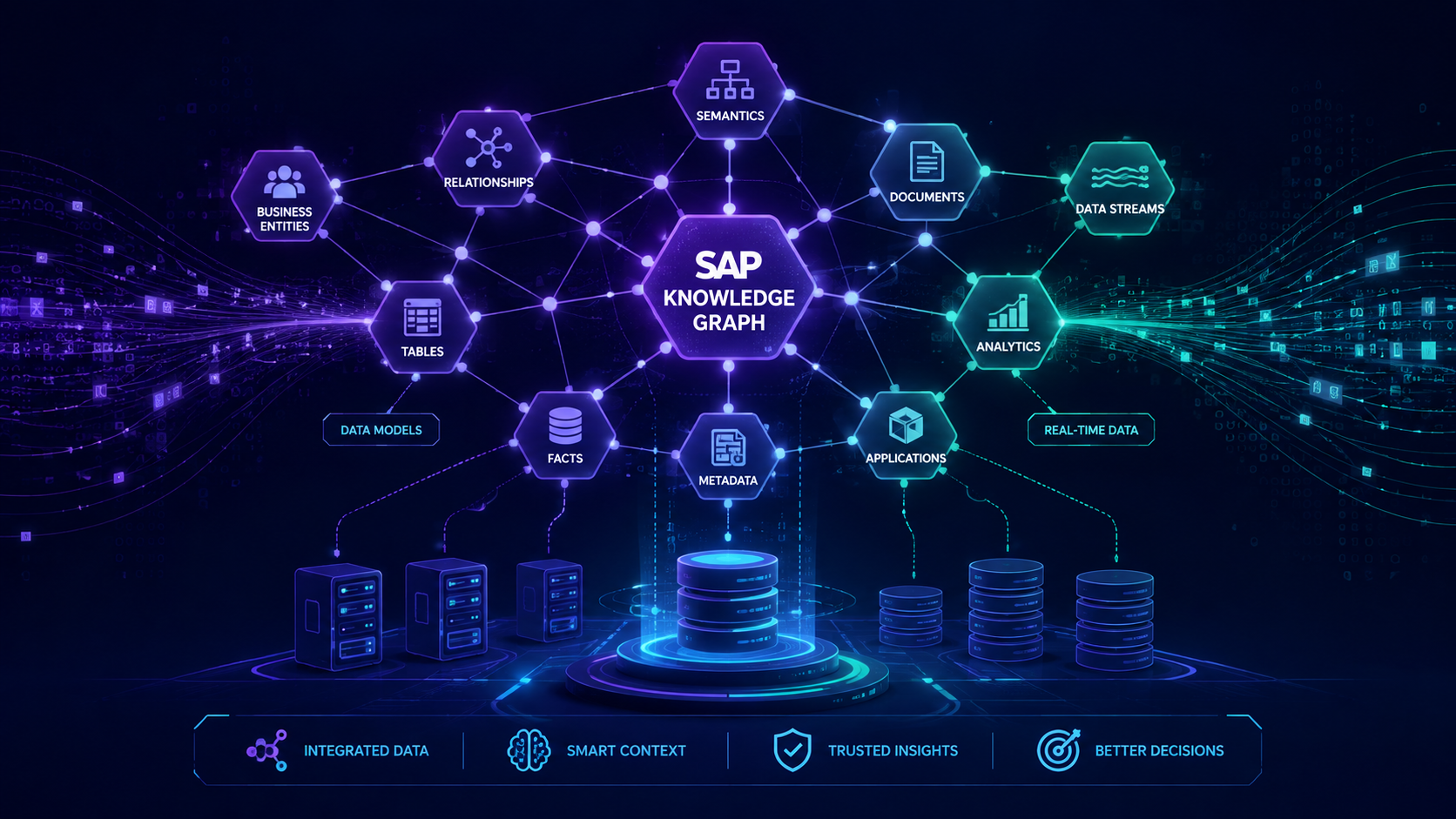
SAP Knowledge Graph is a centrally managed semantic metadata model that connects business data, objects, and processes across the SAP landscape to ground artificial intelligence in real-world enterprise context.
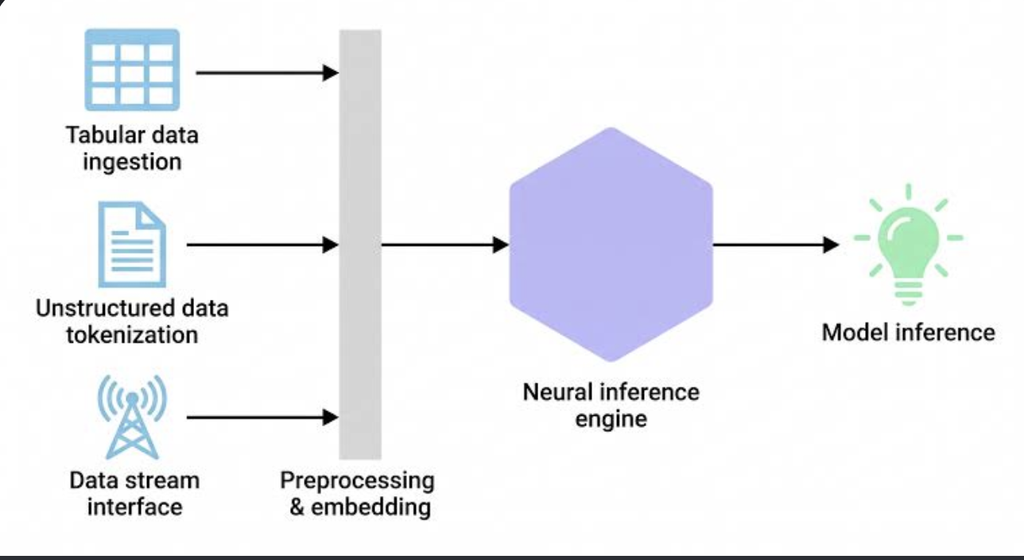
How SAP Knowledge Graph Works
- Semantic Mapping: It translates disparate data structures across finance, HR, and supply chain into a common, machine-readable language.
- Scale of the Model: The underlying SAP S/4HANA knowledge graph incorporates massive metadata models, including hundreds of thousands of tables and views, as well as millions of fields.
- AI Grounding: By mapping explicit relationships between data entities (using subject-predicate-object triples), it helps AI assistants like SAP Joule reason across departments and reduce hallucinations.
💡 Core Capabilities and Benefits
- Hybrid RAG Integration: Combined with the SAP HANA Cloud vector and knowledge graph engines, it enables deep context retrieval that outperforms naive vector search.
- Zero Customer Setup: SAP builds and manages the model centrally, meaning customers do not need to perform complex manual data extraction or upfront configuration.
- Natural Language Queries: Users can query complex business workflows and process dependencies using plain language instead of writing complicated SQL.
🔎 Technical Architecture & AI Integration
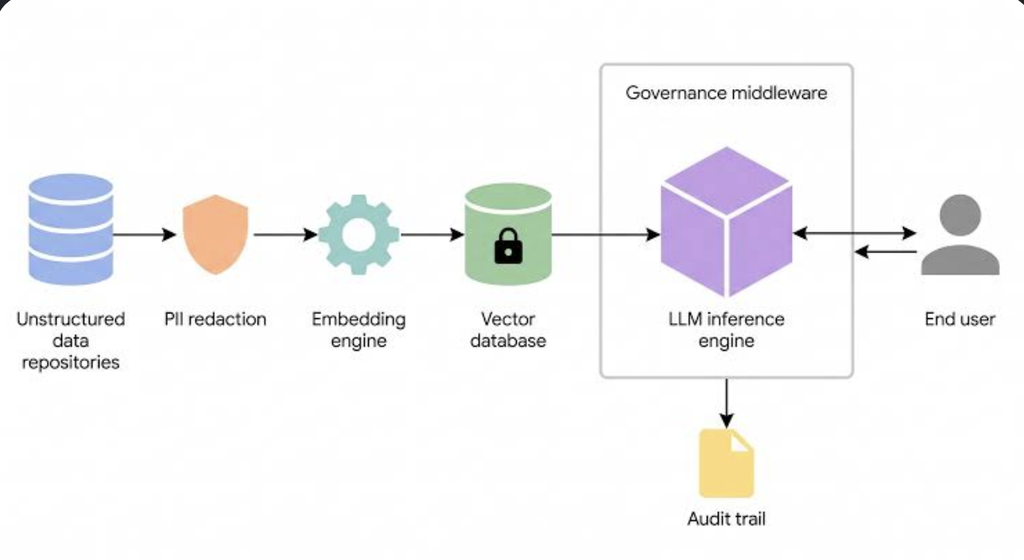
The implementation relies on connecting foundational data models with advanced LLM retrieval mechanisms to achieve secure, enterprise-grade outputs.




Post Comment