From Wildlife to Algorithms: How AI is redefining Compliance on World Wildlife Day
Introduction
World wildlife day, observed on March 3, is a powerful reminder of the urgent need to protect our planet’s biodiversity. While conservation has traditionally relied on policy frameworks and on-ground efforts, the intersection of sustainability, artificial intelligence (AI), and compliance is opening up new, transformative possibilities. This year, we explore how AI-driven compliance is playing a pivotal role in safeguarding wildlife and ensuring that global sustainability commitments translate into measurable action
Compliance Challenge in Wildlife Conservation
Wildlife protection is governed by a complex web of international treaties. national laws, and regulatory frameworks. From preventing illegal wildlife trade to ensuring sustainable sourcing, organizations face increasing pressure to comply with evolving environmental standards. However, traditional compliance mechanisms often struggle with fragmented data, lack of real-time monitoring, and limited enforcement capabilities.
AI in Sustainable Compliance
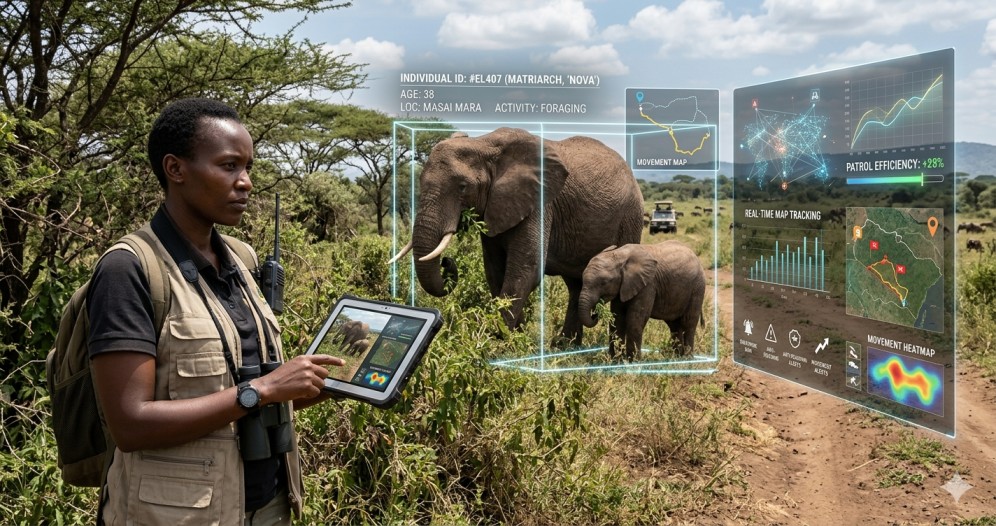
Artificial intelligence is rapidly reshaping how organizations approach compliance in sustainability and conservation. By leveraging advanced data analytics, machine learning and automation, AI enables:
- Real-time monitoring: AI-powered imagery and sensors can track deforestation, poaching activities and habitat destruction with unprecedented accuracy.
- Predictive Risk Assessment: Machine learning models can identify patterns and predict potential compliance risk, allowing organizations to act proactively.
- Supply chain transparency: AI helps trace the origin of raw materials, ensuring that products are sourced ethically and in compliance with environmental regulations.
- Automated reporting: Ai-driven tools streamline regulatory reporting, reducing manual effort and improving accuracy,
Bridging Wildlife Protection and Corporate Responsibility
For businesses, world wildlife day is not just about awareness – it is about accountability. Companies are increasingly expected to demonstrate that their operations do not harm ecosystems or contribute to biodiversity loss. AI-powered compliance solutions enable organizations to:
- Align with global frameworks such as ESG standards.
- Monitor vendor and supplier practices in real time.
- Ensure adherence to wildlife protection laws and sustainable commitments.
A Differentiated Perspective: Compliance as a Strategic Enabler
Traditionally viewed as a regulatory necessity, compliance is now emerging as a strategic enabler of sustainability. AI transforms compliance from a reactive function into a proactive, intelligence-driven system. On World Wildlife Day, this shift highlights a critical insight: protecting wildlife is no longer just the responsibility of the government and NGO – it is a shared responsibility powered by technology and data.
Looking Ahead
As AI continues to evolve, its integration with compliance frameworks will become even more sophisticated. From detecting illegal wildlife trade networks to ensuring biodiversity-friendly business practice, the potential is vast. Organizations that embrace AI-driven compliance today will be better positioned to lead in a future where sustainability is not optional but essential.
Conclusion
World Wildlife day serves as a timely reminder that innovation and responsibility must go hand in hand. By leveraging AI in compliance, businesses can move beyond mere adherence to regulations and actively contribute to global conservation efforts. In doing so they not only protect wildlife but also build a more sustainable and accountable future