Navaratri – One Festival, Many Celebrations Across India
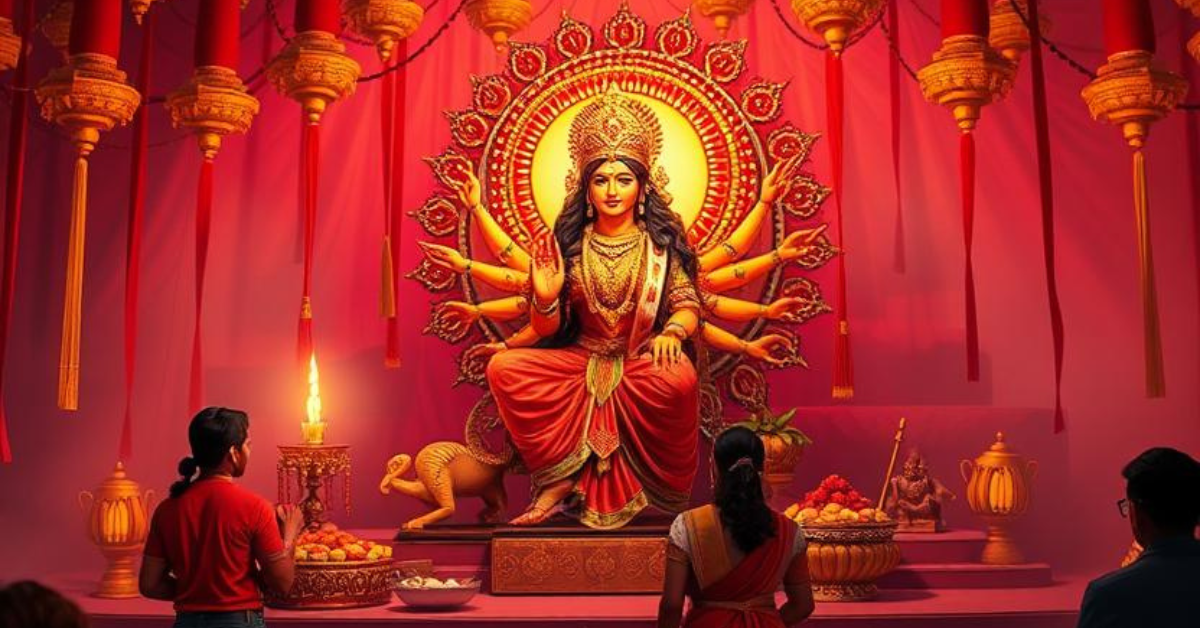
Navaratri, meaning “nine nights,” is one of India’s most cherished festivals — a time when devotion, tradition, and joy weave together to form a vibrant cultural tapestry. But what makes Navaratri truly special is its versatility — though the essence of celebrating the triumph of good over evil remains the same, the way it is observed changes beautifully from state to state.
In West Bengal, Navaratri coincides with the grand spectacle of Durga Puja. Streets come alive with magnificent pandals, artistic idols, and days filled with cultural performances, prayers, and joyous feasting. It’s a celebration of Goddess Durga’s victory over Mahishasura — and a heartfelt homecoming of the divine mother.
Travel west to Gujarat, and the festival takes on a completely different rhythm. Here, Navaratri is synonymous with Garba and Dandiya Raas, where people dress in vibrant traditional attire and dance late into the night around beautifully decorated idols of the Goddess. It’s a celebration that blends devotion with exuberant community spirit.
In Tamil Nadu and other parts of South India, homes become sanctuaries of creativity with the Golu — artistic displays of dolls and figurines that depict mythological stories and cultural themes. Families visit one another to exchange sweets and blessings, fostering community bonds and celebrating the divine feminine in a unique way.
In Karnataka, the festival reaches its peak with the royal grandeur of Mysuru Dasara, marked by dazzling palace illuminations, cultural events, and the famous Jamboo Savari procession — a centuries-old tradition that celebrates the goddess Chamundeshwari.
In North India, Navaratri culminates with Vijayadashami, more widely known as Dussehra, symbolizing Lord Rama’s victory over Ravana. Dramatic Ram Lila performances, the burning of giant effigies of Ravana, and vibrant community gatherings bring the epic to life. Dussehra also signifies the victory of Goddess Durga over Mahishasura in many regions — making it a powerful reminder of the triumph of righteousness and the ultimate victory of good over evil.
From Himachal Pradesh’s Kullu Dussehra with its colorful deity processions to Odisha and Assam’s Durga Puja festivities, each region adds its own distinct flavor, rituals, and traditions — yet all share the same spirit of reverence, renewal, and joy.
Navaratri and Dussehra together remind us that diversity is India’s greatest strength — a single festival uniting millions, each celebrating in their own unique way while honoring the same divine feminine power.